A collage showing a person advocating on a podium, birds flying, a river flowing, a farmer holding grapes and a child looking at a salmon inside a fish tank

COEQWAL – the Collaboratory for Equity in Water Allocation - is a collaborative, community-engaged project led by researchers at the University of California aimed at delivering actionable information for water management planning in California. Until now, water planning tools used by the state have been inaccessible to most communities, especially to those historically excluded from decision-making. COEQWAL is working to change that.

Project Goals

Our overall project goal is to make data used in water planning and decision-making more accessible. Our website invites visitors to learn about California's water system and explore how alternative water management strategies affect outcomes for cities, agriculture, and the environment.

Tools on the sites are designed to guide visitors to specific scenarios that align with their interests. We aim to help users to better understand the nature of trade-offs among management objectives and to provide data that empower communities to shape our water future.

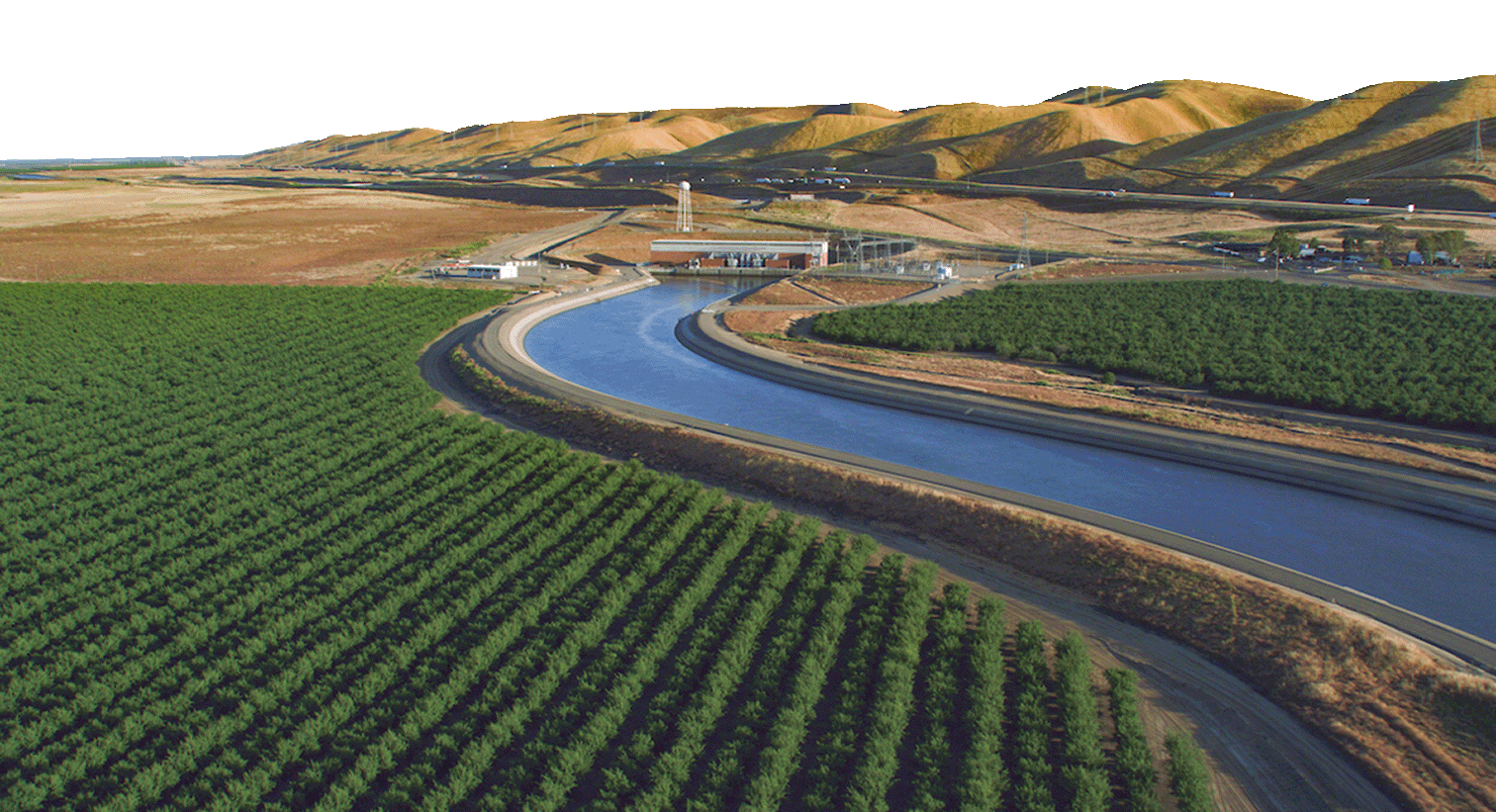
Photo of hills and farmland in california
University of California Research and Innovation

This project is supported by funds from the California Climate Action Seed and Matching Grants of the University of California, Grant Number R02CM7222. This funding is part of the California Climate Action Initiative, a $100 million investment in climate action research and innovation projects in the California State Budget Act of 2022-23.”

Our Approach

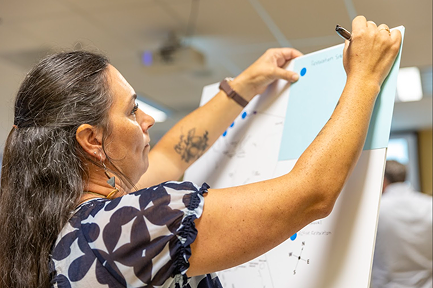
A person writing on a whiteboard

Our work is structured around a participatory scenario planning approach. It is an iterative process that involves the use of a water resources planning model (CalSim3) to develop and analyze a broad range of alternative water management strategies for the state.

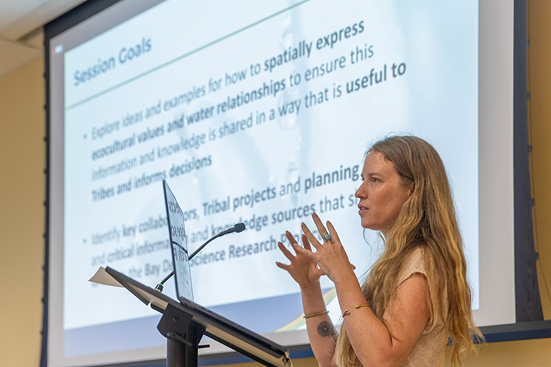
Using CalSim3, we simulate how these management strategies affect water allocation outcomes – the patterns and amounts of water allocated to different water users and the environment – under a range of possible climate futures. We then convene community partners in workshops to receive feedback on the scenarios that are run and how they are interpreted.

A person on a podium with a projection behind
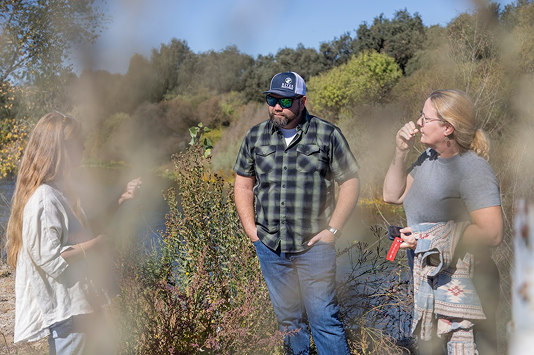
Three people discussing on the field

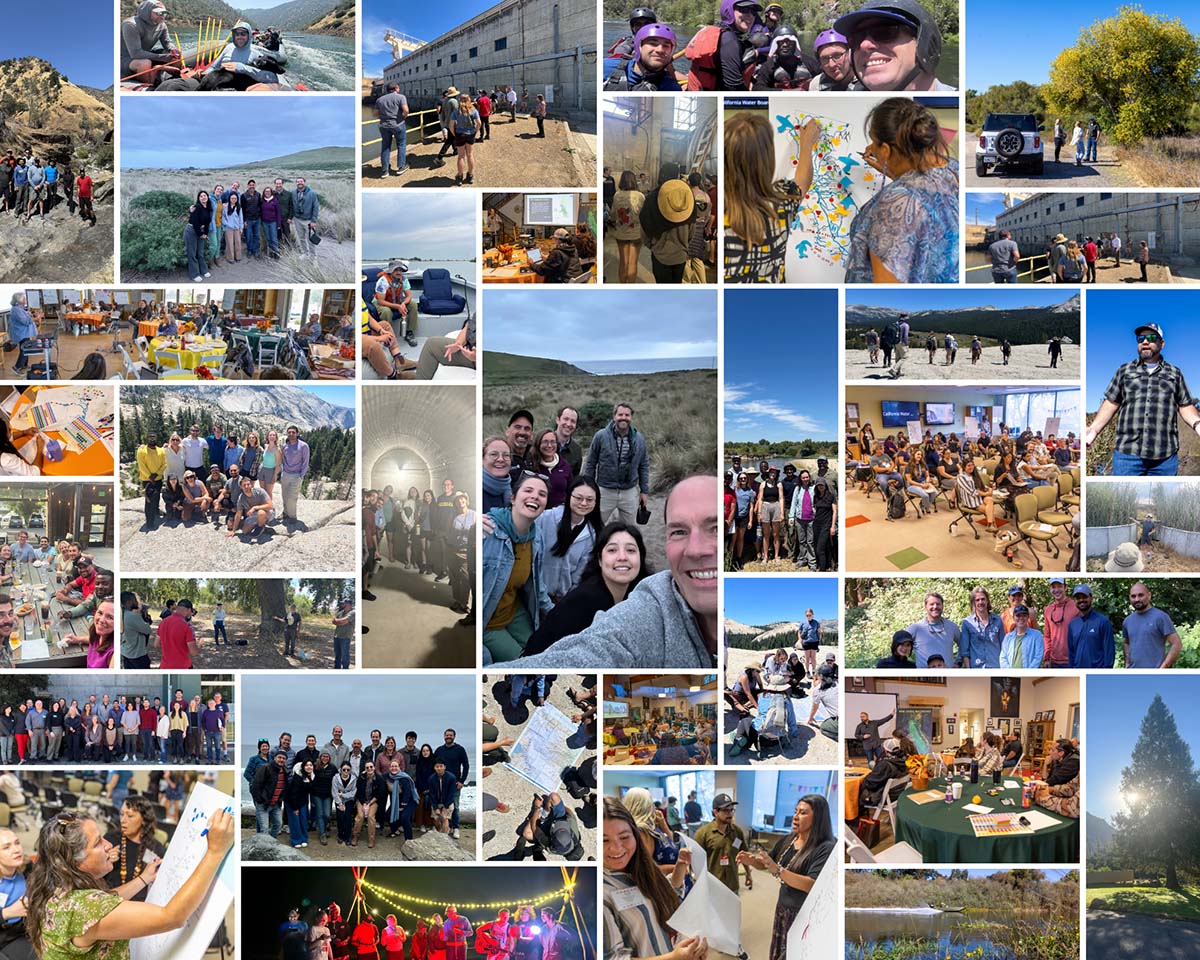
Community feedback is used to refine our scenarios and inform the next phase of work, which again, is shared with our partners for additional input. This is an intensive, collaborative process that has involved engagement with over 60 representatives from state and federal agencies, water districts, NGOs, community-based organizations, academic institutions, and Native American Tribes.

COEQWAL uses CalSim3 in a way that differs from its typical application. Agencies generally develop a small number of CalSim3 model scenarios to inform specific regulatory decisions and planning processes. COEQWAL instead takes an exploratory approach, using a wide range of scenarios to understand how California's water system responds to different management strategies and climate futures.

COEQWAL scenarios reflect generalized variations in system operations and climate. They were developed through collaborative engagement with community partners. Scenarios are not calibrated to specific outcomes, locations, regulatory requirements, or agency priorities (beyond those already represented in CalSim3), and are not intended for direct use in legal or regulatory proceedings.

COEQWAL is an independent research project that does not advocate for any specific policy, water allocation strategy, or action. COEQWAL aims to broaden access to CalSim3 model data, build understanding of California's water system, and support broader participation in decisions about California's water future.
Our Partners

Alliance for Global Water AdaptationFlowWestCalifornia Native American GISCalifornia Indian Water CommissionCalifornia Institute for Water ResourcesUC DavisUCLA Luskin Center for InnovationMetropolitan Water District of Southern CaliforniaSacramento StatePhysicians for Social Responsibility Los AngelesCrestline-Lake Arrowhead Water AgencyStantecThree Valleys Municipal Water DistrictTrout UnlimitedUC Santa CruzBuena Vista Rancheria Me-Wuk IndiansUC Agriculture and Natural ResourcesUC BerkeleyUnion of Concerned ScientistsCalifornia Water BoardsSan Francisco BaykeeperCalifornia Department of Water ResourcesBlack Women for WellnessDelta Stewardship CouncilRestore the DeltaNational Women in Ag AssociationNOAA FisheriesNorthern California Water AssociationThe Nature ConservancyUC MercedUC San Diego, Scripps Institution of OceanographyVirga LabsNor-Cal Guides & Sportsmen's Association

Contact Us!

Do you have questions or feedback about our project? Would you like to be involved in future phases of this work? Please contact us at coeqwal@berkeley.edu